
BMW iX3 Generation Comparison: What the Leap from Gen5 to Gen6 Really Means.

Two cars with the same name — yet worlds apart. The “old” BMW iX3 (G08, 2020–2024) was the pioneer of BMW’s first E-SUV generation, based on the proven fifth-generation eDrive system. The new iX3 (NA5) is the first Neue Klasse model and, with its sixth-generation eDrive, marks the biggest single technological leap BMW has ever made. Here’s a direct comparison of both generations.
Starting Point: Same Name, Different Platform
The original iX3 was technically closely related to the third-generation X3 — a conventional SUV, electrified. Built between 2020 and 2024, it’s now only available used. The new iX3, by contrast, is built on the completely new Neue Klasse platform with native 800-volt architecture — no longer a converted combustion model, but designed from the ground up for electric drive.
Powertrain and Battery
BMW iX3 Gen5 (G08, 2020–2024) | BMW iX3 Gen6 (NA5, Neue Klasse) | |
eDrive generation | 5th gen (prismatic cells) | 6th gen (BMW cylindrical cell) |
Electrical system | 400V | 800V |
Battery capacity | approx. 74 kWh net | 108.7 kWh net |
Power | 210 kW (286 hp), RWD | up to 345 kW (469 hp), xDrive (iX3 50) |
WLTP range | up to 460–471 km | up to 805 km |
Consumption (WLTP) | approx. 17.8–19.6 kWh/100km | 15.1–18.1 kWh/100km |
Despite significantly higher power and nearly 50% more battery capacity, consumption in the new iX3 drops noticeably — a direct effect of the more efficient cylindrical cell chemistry, the new silicon carbide inverter, and the aerodynamically optimized body with a drag coefficient of 0.24.
Charging: The Biggest Difference of All
This is where the generational leap shows most clearly:
iX3 Gen5: max. 150 kW DC, 10–80% charge in around 34 minutes.
iX3 Gen6: thanks to 800V architecture, up to 400 kW DC, 10–80% in roughly 25 minutes per ADAC testing — despite nearly 1.5x the battery capacity. In just 20 minutes, the Gen6 iX3 adds enough energy for an extra 457 km of range in ADAC’s test.
That takes the iX3 from a solid mid-pack charger to one of the fastest-charging electric SUVs around.
Design and Positioning
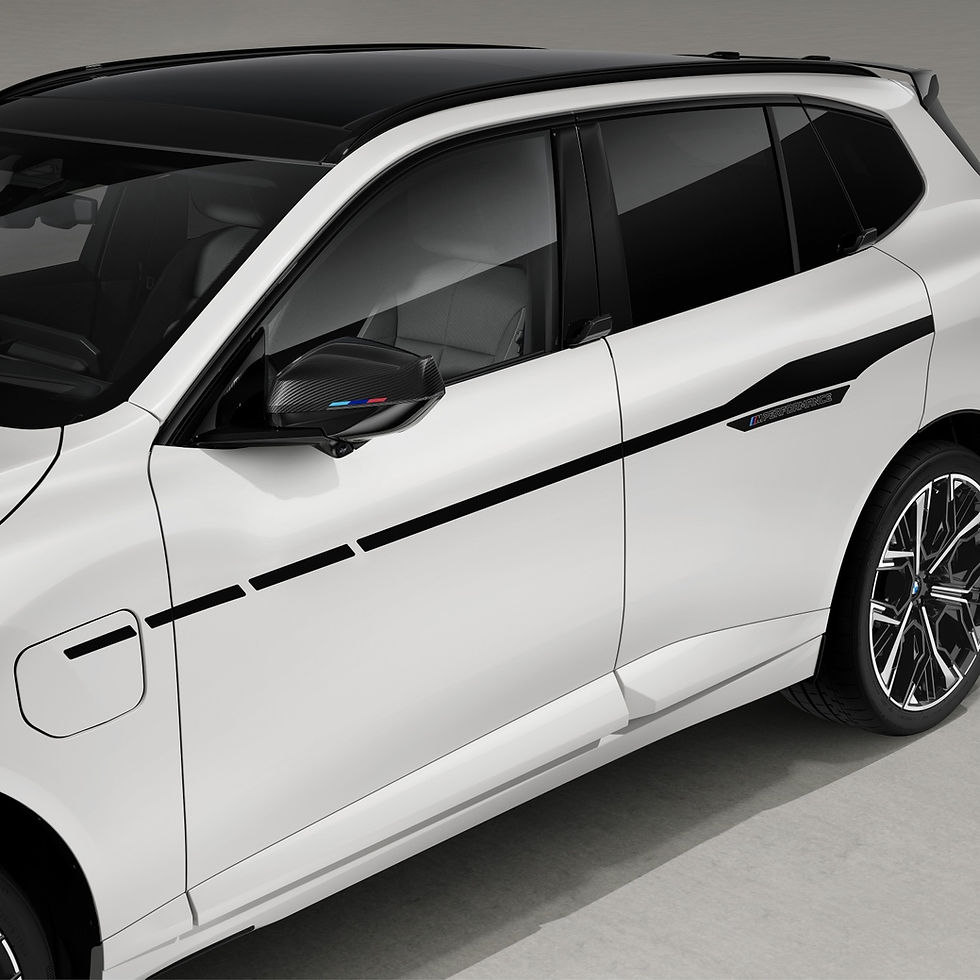
The Gen5 iX3 largely followed the conventional X3’s looks — mildly electrified but without its own design language. The Gen6 iX3, by contrast, introduces BMW’s new, reduced design language: a narrow, tall kidney grille, vertical LED lights, flush door handles, and clear nods to the historic “Neue Klasse” of the 1960s. The design is no longer just an electrified stopgap, but a standalone sub-brand within BMW’s lineup.
The comparison shows just how fast BMW’s EV tech has evolved: in just a few years, range grew by about 70%, charging power more than doubled, and an electrified X3 became a standalone technology flagship. Anyone who knows the Gen5 iX3 will barely recognize its Gen6 successor — technically and visually, it’s a different car with the same name.
Meine Blog Artikel erstelle ich aus folgenden Quellen und Hilfsmittel:
Quellen: BMW Press Group, Google, Instagram, Erfahrungen aus dem Auto Gewerbe
Hilfsmittel: Für die Grammatik der Texte nutze ich Google Gemini und Claude


Comments